
International Committee
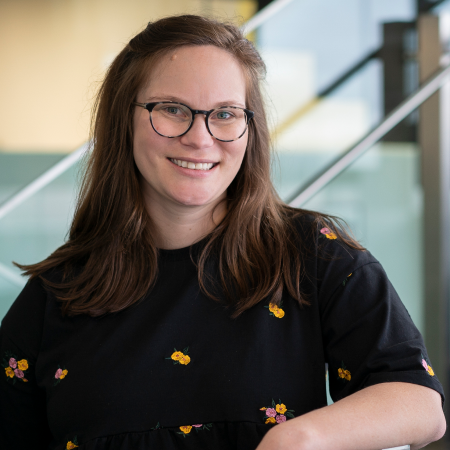
PhD. Rhea Longley
Australia 
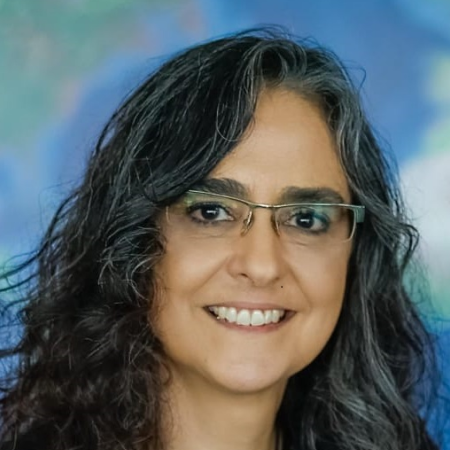
Marcia C. Castro
United States 
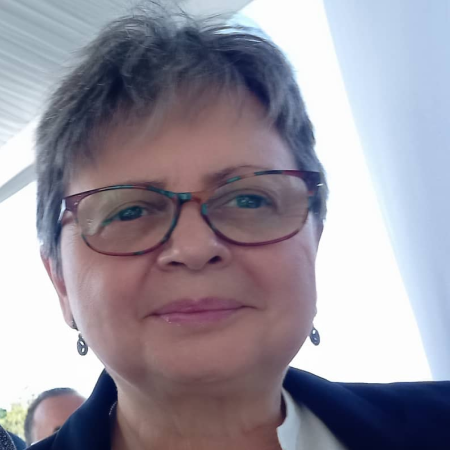
PhD. Maria Grillet
Venezuela 

Jane Carlton
United States
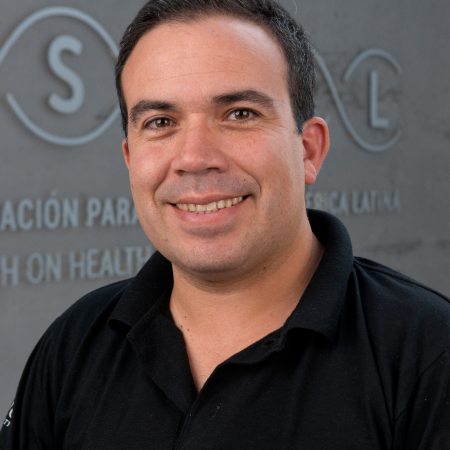
PhD. Fabián Sáenz
Ecuador 
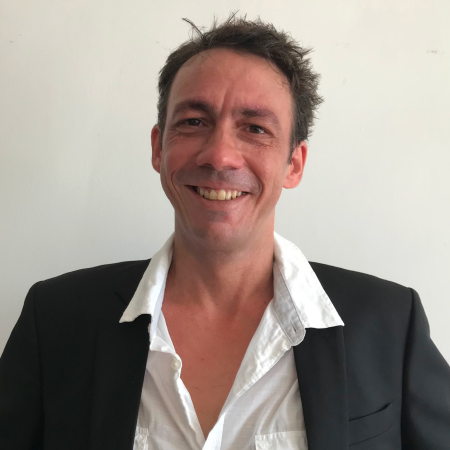
PhD. Jean Popovici
Cambodia 
PhD. Anna Urgell
Belgium 
PhD. Marta Moreno
United Kingdom 
PhD. Manju Rahi
India 
PhD. Jency Priskilla
India

Arya Rahul
India
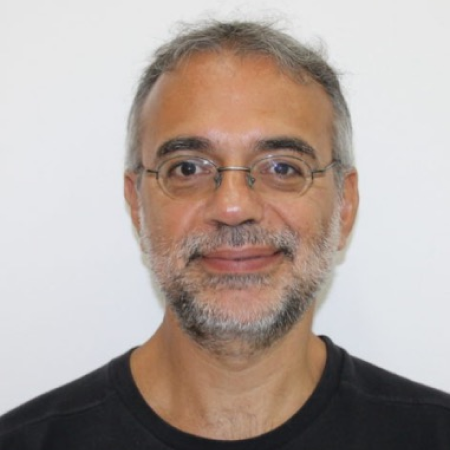
PhD. Marcelo Urbano
Brazil 
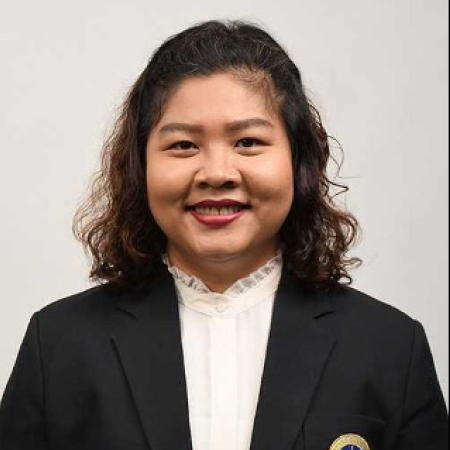
PhD. Wanlapa Roobsoong
Thailandia 
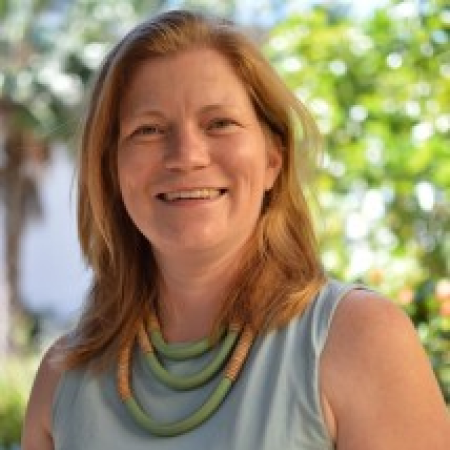
Kamala Ley-Thriemer
Australia
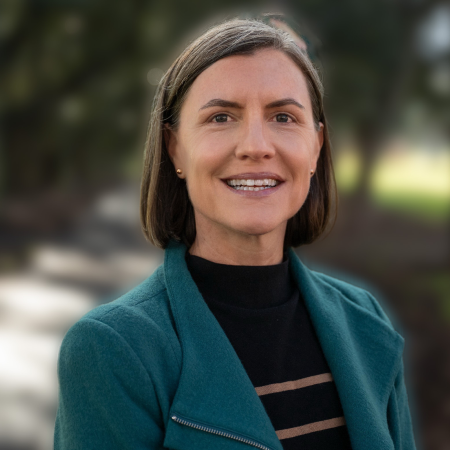
Leanne Robinson
Australia
PhD. Lis Ribeiro
Brazil
PhD. Hugo Valdivia
Dr. Hugo Valdivia holds a degree in biology from the Universidad Nacional de San Antonio Abad del Cusco (UNSAAC) and a PhD in bioinformatics from Universidade Federal de Minas Gerais (UFMG).
He is the Head of the Epidemiology Unit at the Parasitology Department of the U.S. Naval Medical Research Unit SOUTH (NAMRU SOUTH) in Lima, Peru. He is actively involved in basic and applied research in tropical infectious diseases with a focus on malaria, leishmaniasis, Chagas disease and dengue.
His work, conducted in collaboration with key partners across the region, aims to understand disease transmission dynamics, identify risk factors for both military and civilian populations and support product development to mitigate their impact in these populations.
PhD. Jaime Chang
Dr. O. Jaime Chang N. is a physician, M.Sc. in Community Health, MPH, and Specialist in Human Ecology, with a 40+ year career that started in primary healthcare and tropical medicine research and evolved to a leadership role in international public health. He is currently part of the Global Security and Health Diplomacy Unit at Universidad Peruana Cayetano Heredia.
During 27 years in USAID, he managed technical cooperation programs addressing infectious diseases, community health and health system strengthening in Peru and Latin America, including the provision of technical cooperation in malaria control to 11 countries through the Amazon Malaria Initiative, and USAID’s support to the response to Zika and to COVID-19 in South American countries. Before, Dr. Chang worked as a researcher for Peru’s National Institute of Health and as the director of the health center in the Palcazu valley in the central jungle region of Peru.
PhD. Christopher Delgado Ratto
Prof. Dr. Christopher Delgado Ratto is a molecular epidemiologist and Assistant Professor at the University of Antwerp, specializing in Plasmodium vivax transmission, surveillance, and molecular epidemiology. Trained as a biologist in Peru, he completed postgraduate studies in Molecular Biology and Epidemiology and earned a PhD in Medical Sciences in Belgium. His work integrates epidemiology, population genetics, phylogenetics, and mixed research methods to understand P. vivax reservoirs and inform elimination strategies in low-endemic settings.
His P. vivax research in the Amazon Basin focuses on submicroscopic and asymptomatic infections, the origin of recurrent infections, genetic signatures of drug resistance, and human mobility as drivers of persistent transmission. His projects strengthen molecular diagnostic capacity and genomic surveillance in collaboration with national malaria programs and academic partners.
Christopher co-coordinates the Malaria Research group (MaRch, uantwerpen.be/malaria) at UAntwerp, is a guest professor at the Free University of Brussels, an adjunct principal researcher at Universidad Peruana Cayetano Heredia, and co-founder of the GENMAL network in Peru (genmal.org).
PhD. Elisa Vidal
Prof. Dr. Christopher Delgado Ratto is a molecular epidemiologist and Assistant Professor at the University of Antwerp, specializing in Plasmodium vivax transmission, surveillance, and molecular epidemiology. Trained as a biologist in Peru, he completed postgraduate studies in Molecular Biology and Epidemiology and earned a PhD in Medical Sciences in Belgium. His work integrates epidemiology, population genetics, phylogenetics, and mixed research methods to understand P. vivax reservoirs and inform elimination strategies in low-endemic settings.
His P. vivax research in the Amazon Basin focuses on submicroscopic and asymptomatic infections, the origin of recurrent infections, genetic signatures of drug resistance, and human mobility as drivers of persistent transmission. His projects strengthen molecular diagnostic capacity and genomic surveillance in collaboration with national malaria programs and academic partners.
Christopher co-coordinates the Malaria Research group (MaRch, uantwerpen.be/malaria) at UAntwerp, is a guest professor at the Free University of Brussels, an adjunct principal researcher at Universidad Peruana Cayetano Heredia, and co-founder of the GENMAL network in Peru (genmal.org).
PhD. Katherine Torres
Biologist with Master’s and a Ph.D. in Sciences with a specialization in Biochemistry and Molecular Biology from Universidad Peruana Cayetano Heredia (UPCH), followed by a Postdoctoral Fellowship at the University of Massachusetts. Currently an Associate Professor at the Faculty of Sciences and Engineering at UPCH.
Research experience encompasses immunology and the molecular and cellular biology of Leishmania and Plasmodium. Training includes Plasmodium genetics at the CDC (USA), basic immunology at University of California San Diego (UCSD), and malaria immunology at the University of Massachusetts. This work integrates parasite biology, host immune responses, and molecular methodologies to advance the understanding of infectious diseases and inform control and elimination strategies.
PhD. Joseph M. Vinetz
Dr. Vinetz is Professor of Medicine at Yale School of Medicine, Research Professor in the Faculty of Sciences at UPCH, and Associated Investigator of the Alexander von Humboldt Institute of Tropical Medicine. He received his B.S. from Yale and his M.D. from the UCSD. He completed a residency in internal medicine and a fellowship in infectious diseases at Johns Hopkins School of Medicine, during which time he was a Howard Hughes Medical Institute Physician Postdoctoral Fellow at NIH. He is an elected member of the American Society for Clinical Investigation and the Association of American Physicians. His research in global health and infectious diseases takes both basic science and public health perspectives focused on malaria and leptospirosis, while simultaneously pursuing translational research from the bench to the bedside. His research has been continuously funded by the NIH since 2001.
PhD. Dionicia Gamboa
Dionicia B. Gamboa Vilela is a biologist with a Master in Biochemistry, both degrees from Universidad Peruana Cayetano Heredia (UPCH). She got a PhD in Biomedical sciences at University of Maastricht, The Netherlands within a program supported by the Belgian cooperation from the Institute of Tropical Medicine in Antwerp, Belgium. Currently, she is Full Professor at the Department of Cellular and Molecular Sciences, Faculty of Science and Engineering (FACI) at UPCH and director of the Laboratory Malaria: parasites and vectors at the Laboratorios de Investigación y Desarrollo (LID – FACI – UPCH).
She carries out research projects in the area of health and tropical infectious diseases, specifically malaria in the Peruvian Amazon region. Her projects include the development and use of specialized molecular tools for diagnosis, genetic characterization, and surveillance of the parasites and vectors. She has more than 100 publications and more than 45 students (under and postgraduate). Since 2008 she is member of the American Society of Tropical Medicine and Hygiene (ASTMH), she is also member and part of the board directory of the Peruvian National Academy of Science (ANC).
PhD. Fabián Sáenz
Professor – CISeAL – Pontificia Universidad Católica del Ecuador
Dr. Sáenz has 23 years of malaria research experience. He completed his Ph.D studies at University of Notre Dame, IN, USA in John Adams lab working on Plasmodium invasion of red blood cells and mosquito salivary glands. He worked as a postdoctoral trainee in the laboratory of Dr. Dennis Kyle at University of South Florida focusing in antimalarial drugs discovery and the understanding of drug resistance.
Dr. Sáenz is a Professor at the Center for Infectious Disease research (now Center for Research on Health in Latin America, CISeAL), Biology department at Pontificia Universidad Católica del Ecuador. The main goal of Dr. Sáenz group’s research focuses in understanding the malaria situation in Ecuador to help in elimination policies. In particular, his group focuses on molecular epidemiology of Plasmodium in Ecuador. Some of the study topics of his research are: Plasmodium populations circulating in the country, antimalarial drug resistance in Ecuadorian parasites and the epidemiology of malaria in low transmission areas of Ecuador. Our Plasmodium population studies results show that Ecuadorian P. falciparum are highly clonal while P. vivax are diverse. The Sáenz lab has characterized several malaria outbreaks in the north coast and Amazon of Ecuador as well as the genetic background of the parasites circulating.
PhD. Alejandro Llanos-Cuentas
Alejandro Llanos-Cuentas is a clinical scientist in tropical and infectious diseases, Founder and Professor Emeritus at the School of Public Health and Administration and head of the Leishmaniasis and Malaria Unit at the Institute of Tropical Medicine Alexander von Humboldt at Universidad Peruana Cayetano Heredia.
His research focuses on vector-borne diseases in Peru, particularly malaria and leishmaniasis, integrating clinical, epidemiological, and operational approaches to improve diagnosis, treatment, and control strategies. He has led more than 65 research projects, including over 30 phase I–IV clinical trials to provide novel alternatives to treatment of diseases, such as leishmaniasis, candidasis, and especially malaria, with a strong emphasis on its control and elimination.
He has contributed to key studies evaluating tafenoquine and primaquine for Plasmodium vivax relapse prevention, including the PAVE study (2024), which assessed the operational feasibility of G6PD-guided treatment in the Peruvian Amazon. He currently collaborates with UCSF on a clinical trial of focal mass drug administration aimed at P. vivax elimination.
Dr. Llanos-Cuentas has published over 250 peer-reviewed articles and book chapters, supervised more than 96 research students, and serves on multiple national and international scientific committees. He is a member of the National Academy of Medicine of Peru and expert committees of WHO, PAHO and Trask force for dengue control – American Health Foundation.
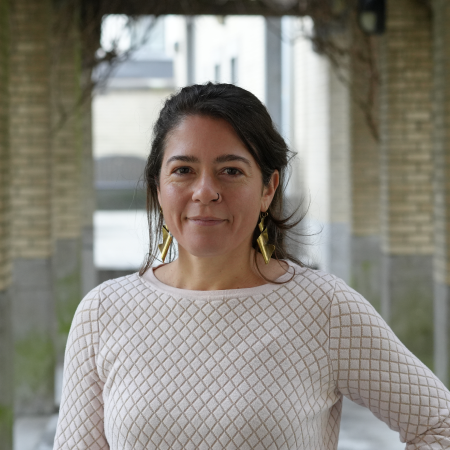
PhD. Anna Rosanas Urgell
Principal Investigator and Professor – Institute of Tropical Medicine Antwerp
After completing a PhD in Genetics at the University of Barcelona, she conducted postdoctoral research at the University of São Paulo on Plasmodium vivax spleen evasion, with additional experience at the Hospital of Tropical Medicine in Manaus. She subsequently joined ISGlobal (Barcelona) in a joint appointment with the Papua New Guinea Institute of Medical Research, and later led the Molecular Parasitology Unit at PNG IMR, focusing on the molecular epidemiology of malaria, including drug resistance, host susceptibility, and transmission dynamics.
She is currently Professor and Head of the Malariology Unit at the Institute of Tropical Medicine in Antwerp. The Malariology Unit applies state-of-the-art molecular, omic, and cell-based technologies to study parasite adaptation to the host environment at genomic and transcriptomic levels. Research is firmly grounded in field-based epidemiological studies, aiming to bridge in vitro and in vivo approaches. This work is supported by a strong international network of collaborators across Africa, South America, South-East Asia, and Oceania, with the overarching goal of contributing to improved tools and strategies for malaria control and elimination.
Her main research lines include: (i) elucidating key biological processes in Plasmodium vivax, including drug resistance and red blood cell invasion; (ii) investigating the role of host and environmental factors in Plasmodium falciparum sexual conversion and transmission; and (iii) developing molecular tools and surveillance approaches to support malaria control and elimination efforts.
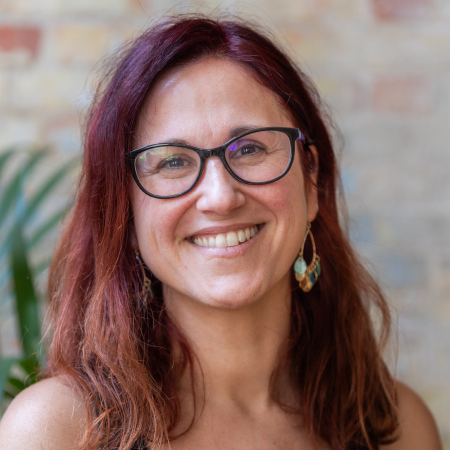
PhD. Marta Moreno Leirana
Assistant Professor – London School of Hygiene and Tropical Medicine
Dr. Marta is an Assistant Professor of malaria research with a focus on the vector biology of mosquito malaria vectors and other vector-borne diseases (VBDs). Her research background includes a PhD on insecticide resistance and population genetics of malaria vectors in West Africa, followed by a postdoctoral position at the Wadsworth Center (New York State Department of Health), where she investigated the phylogeography of Anopheles species in the Americas. She spent several years in Iquitos, Peru, working with the University of California San Diego and Universidad Peruana Cayetano Heredia on malaria vector surveillance, bionomics, and residual malaria transmission in the Peruvian and Brazilian Amazon. At LSHTM, she is involved in clinical trials assessing the impact of interventions targeting the human malaria reservoir on transmission dynamics in The Gambia. I also co-lead studies exploring how environmental change influences the distribution of arbovirus vectors in the region.
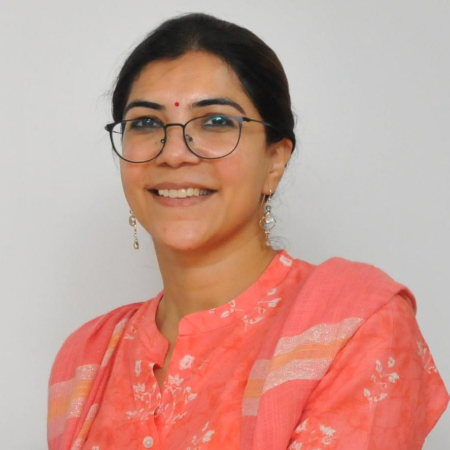
PhD. Manju Rahi
Scientist G and Director – ICMR Vector Control Research Centre
Dr. Manju Rahi is the Director of ICMR-Vector Control Research Centre, India. She has been pivotal in steering research towards generating key evidence in shaping national strategies for vector borne diseases of public health importance like malaria, lymphatic filariasis, dengue, chikungunya, rabies, and rickettsial infections. She has received prestigious grants from Wellcome Trust, Gates Foundation and NIH. She is leading pioneer research in close collaboration with the Ministry of Health on establishing innovative tools and strategies in routine surveillance and control programmes.
She spearheaded the Malaria Elimination Research Alliance (MERA- India), established SPEAK-India for kala-azar research, and advanced multi-country genomic surveillance platforms. Her leadership has delivered landmark guidelines, large-scale studies, and critical evidence on zoonoses, rabies, and Lyme disease. With over 140 publications, and mentorship of young scientists, her work continues to strengthen national and global responses to vector-borne diseases, positioning India at the forefront of elimination and control efforts.
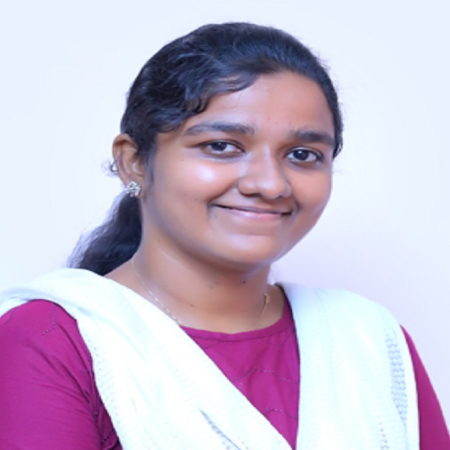
PhD. Jency Priskilla J
Scientist C (medical) – ICMR Vector Control Research Centre
Medical scientist exploring the various facets of vector borne diseases with a focus on digital medicine, behavioural epidemiology and translational research aspects of arboviral diseases.
Arya Rahul
Scientist C (medical) – ICMR Vector Control Research Centre
Arya is a medical and public health scientist with a strong focus on vector-borne diseases, implementation research, and health systems strengthening in India. With training and experience spanning epidemiology, study design, quantitative and qualitative data analysis, and health communication, she integrates field-based research with policy-relevant insights. Her work is closely aligned with national disease control priorities, particularly malaria, dengue, Zika, and lymphatic filariasis, and she collaborates extensively with state and national health departments to strengthen surveillance, control, and elimination efforts.
Her research portfolio includes longitudinal cohort studies, community-based interventions, and hybrid effectiveness–implementation designs, with an emphasis on translating evidence into practice. She has led and contributed to studies examining malaria burden across diverse eco-epidemiological settings in India and is actively advancing community-driven dengue prevention initiatives, including school-based and digital health interventions. Her work reflects a sustained commitment to interdisciplinary collaboration, integrated vector management, and strengthening public health systems through rigorous, policy-oriented research.
PhD. Marcelo Urbano
Professor – University of Sao Paulo
Dr. Marcelo Ferreira is a medical parasitologist and epidemiologist with 30 years of experience in field-oriented and laboratory malaria research, mostly in Amazonian Brazil. He graduated in Medicine from the University of São Paulo, Brazil (1988), where he was trained in Internal Medicine (1999-2004) and obtained his MSc (1993) and PhD (1997) degrees in Parasitology.
Further research training was obtained in Parasitology in the Nagoya University, Japan (1995-97) and in Harvard University, United States (2005-06). His overall research goal is to provide scientific evidence that can be translated into effective public health interventions for malaria control, spanning from molecular epidemiology to antimalarial drug resistance. Dr. Ferreira is a profesor of medical parasitology at the University of São Paulo, in Brazil, and served as a member of the Technical Advisory Committee on Malaria of the Pan-American Health Organization (2016-2021).
PhD. Wanlapa Roobsoong
Researcher – Mahidol Vivax Research Unit, Faculty of Tropical Medicine, Mahidol University
Dr. Wanlapa Roobsoong is a researcher at Mahidol Vivax Research Unit (MVRU), Faculty of Tropical Medicine, Mahidol University. She has a Ph.D. in Medical Technology from Mahidol University. Her research focuses on the molecular mechanism of gametocytogenesis and hypnozoite formation of P. vivax with an emphasis to discover new antimalarial drugs and vaccines. Her research includes the development of in vitro culture system for P. vivax, Organ-on-Chip, P. vivax human challenge model, characterization of the gametocytogenesis of P. vivax, the discovery of biomarkers for identification of hypnozoite carriers, and field-based implementation study.
PhD. Kamala Ley-Thriemer
Principal Research Fellow – Menzies School of Health Research
Prof Kamala Thriemer is a malaria clinical researcher and clinical trials specialist at the Menzies School of Health Research (Charles Darwin University), Australia. She leads large-scale, multi-centre trials across Asia-Pacific, Africa, and Latin America to assess the efficacy, effectiveness, and safety of malaria treatments. Her current research focuses on optimising the safe delivery of tafenoquine- and primaquine-based regimens, including the testing and service-delivery systems required to support scale-up (such as G6PD testing strategies, clinical follow-up practices, and approaches to prescriber and patient adherence).
Working at the interface of clinical trials and implementation science, she partners closely with national malaria programs, health services, and local research teams to generate practice-relevant evidence and support translation into policy and routine care. She also has a strong interest in stakeholder engagement and dissemination—how trial results are communicated, interpreted, and used to strengthen malaria case management. Kamala mentors early-career researchers and supports capacity strengthening across partner institutions through collaborative study design, training, and supervision.
Leanne Robinson
Director of the Health Security and Pandemic Preparedness Program – Burnet Institute
Professor Leanne Robinson (BScAdvHons, MPHTM, PhD) is an internationally recognised expert in infectious disease epidemiology, immunology, clinical trials and implementation research for the control and elimination of malaria and neglected tropical diseases, in particular Plasmodium vivax malaria. Leanne is Director of the Health Security and Pandemic Preparedness Program and Head of the Vector-borne Diseases and Tropical Public Health Working Group at Burnet Institute. She is a NHMRC Leadership Fellow and Adjunct Professor at Monash University and University of Melbourne. With over 20 years of experience leading large and complex collaborative research programs in tropical public health in PNG and the Asia-Pacific region, Leanne has a strong track record (>130 publications, >6100 citations, h-index 41) in supporting evidence generation that directly informs global policy and local implementation through a way of working that priorities local leadership and capability strengthening.
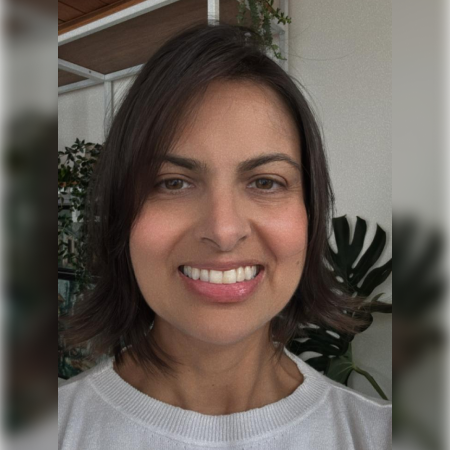
PhD. Lis Ribeiro Do Valle
Full researcher – Fiocruz
Dr. Antonelli received her M.S. from University of São Paulo and her Ph.D. from the Federal University of Minas Gerais in 2005. After postdoctoral studies at the National Institutes of Health from 2006 to 2009, she joined Fundação Oswaldo Cruz as a researcher, where she has become a group leader. She is acting as Ph.D. supervisor at University of Minas Gerais and adjunct professor at School of Medicine at the University of Massachusetts. Her research interests focus on the cellular and molecular mechanisms of immunoregulation during infectious and parasitic diseases.
More specifically her studies have explored how immune cells impact the outcome of different clinical manifestations of ocular involvement due to Toxoplasma gondii infection, chronic Chagas cardiomyopathy and asymptomatic Plasmodium vivax infection.
PhD. Rhea Longley
Laboratory Head – Walter and Eliza Hall Institute of Medical Research (WEHI)
Dr. Rhea Longley is a Laboratory Head and Viertel Senior Medical Research Fellow in the Infection and Global Health Division at WEHI. She received her PhD in 2014 from the University of Oxford as a Rhodes Scholar. Rhea’s research interest lies in the immune response to infectious diseases of global health concern, with a particular focus on malaria. She utilises new knowledge on the immune response to design novel tools for disease elimination, including new surveillance approaches and vaccine design.
Rhea’s research is built upon strong collaborations in numerous malaria-endemic countries, including Thailand, the Philippines, Indonesia and Cambodia.
Marcia C. Castro
Professor and Department Chair – Harvard University – Harvard TH Chan School of Public Health
Marcia C. Castro is the Andelot Professor of Demography and the chair of the Department of Global Health and Population at the Harvard T.H. Chan School of Public Health. She is also the director of the Brazil Studies Program at the David Rockefeller Center for Latin American Studies (DRCLAS). Her research focuses on developing and using multidisciplinary approaches to identify the determinants of malaria transmission in order to inform control policies.
Currently, she is studying the effects of environmental changes, such as deforestation and illegal mining, and climate on malaria transmission in the Brazilian Amazon. Castro co-leads the Science of Defeating Malaria: A Leadership Course and the Early Childhood Leadership Program. She is also a member of the Pan American Health Organization (PAHO) Scientific Advisory Committee on Malaria. Castro serves on several advisory boards in Brazil and is an elected member of the Brazilian Academy of Sciences and the American Association for the Advancement of Science. She holds a Ph.D. in demography from Princeton University.
Maria Eugenia Grillet
Full Professor (Venezuela) / Temporary Professor (Colombia) – Universidad Central de Venezuela (Venezuela)/Universidad de los Andes (Colombia)
Dr. in ecology from the Central University of Venezuela. Currently, she is a tenured professor at the Central University of Venezuela (Venezuela) and a part-time lecturer at the University of the Andes (Colombia). Her research focuses primarily on the ecology and epidemiology of insect-borne infections, with a particular emphasis on mosquitoes and malaria. She works within the disciplines of population and community ecology, as well as landscape ecology, and she uses a multidisciplinary approach that includes field and laboratory studies, as well as statistical and mathematical modeling. Over the past decade, the main focus of her research has been understanding how land-use changes, such as deforestation, have determined the reemergence, emergence, and/or persistence of malaria transmission in the Amazon region in recent times.
Jane Carlton
Director at John Hopkins Malaria Research Institute – Bloomberg School of Public Health, Johns Hopkins University
Jane Carlton is the Director of the Johns Hopkins Malaria Research Institute, Bloomberg School of Public Health, in Baltimore, USA. Her research uses comparative and integrative multi-omics approaches to interrogate the biology and evolution of malaria parasites and develop better methods for their diagnosis, surveillance, and control. She led the first P. vivax reference genome project in 2008, and subsequently the first P. vivax global population genomic studies. Since 2005 she has worked with partners in India through long-term malaria training and research grants, including as Director of a U.S. National Institutes of Health-funded International Center of Excellence for Malaria Research.
More recently, the Carlton Lab is studying the epidemiology, antimalarial drug resistance, and omics of P. vivax and P. falciparum in Ethiopia including refugee camps. Professor Carlton has published >160 articles, reviews and book chapters including front cover articles in Nature, Nature Genetics and Science, and been interviewed by CNN, BBC, Reuters, The Economist, and USA Today. She was elected a Fellow of AAAS in 2012, awarded an Honorary Fellowship from the London School of Hygiene and Tropical Medicine in 2024, and elected a Fellow in the American Academy of Microbiology in 2025.
Jean Popovici
Head of Malaria Research Unit – Institut Pasteur of Cambodia
Dr. Jean Popovici has been working on Plasmodium vivax malaria in Cambodia for more than 12 years. His research combines field studies with fundamental lab-based approaches to better understand the biology of P. vivax and provide adapted, evidence-based strategies for vivax elimination.