
National Committee
PhD. Dionicia Gamboa
Peru 
PhD. Katherine Torres
Peru
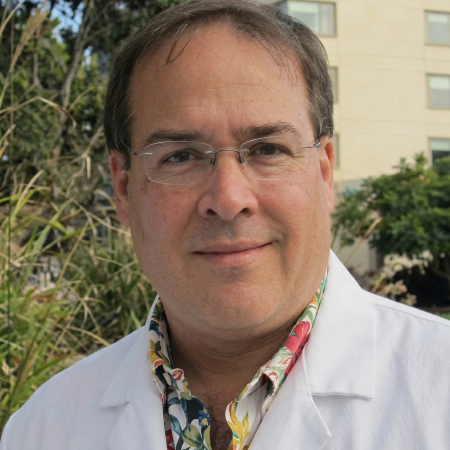
PhD. Joseph M. Vinetz
United States 
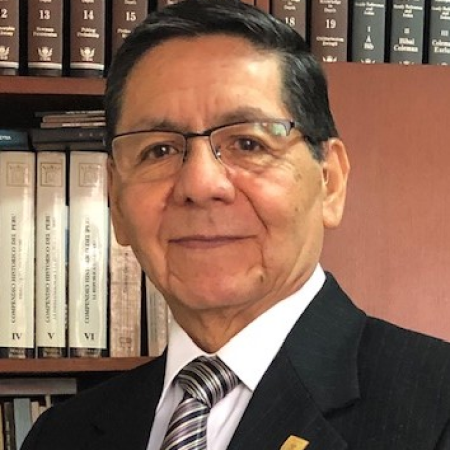
PhD. Alejandro Llanos
Peru
PhD. Stella Chenet
Peru
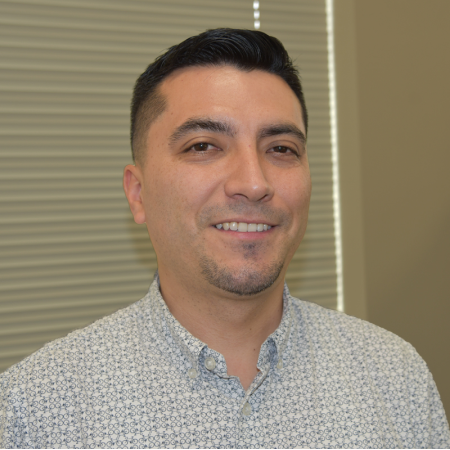
PhD. Hugo Valdivia
Peru
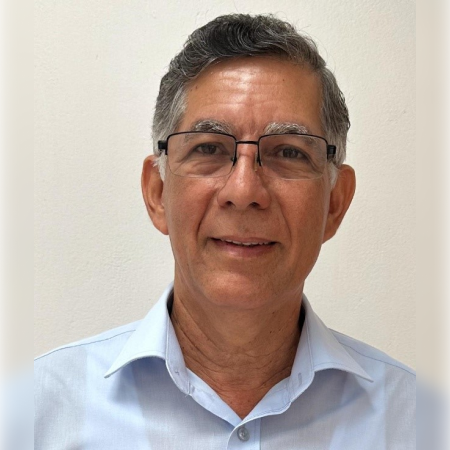
PhD. Hugo Rodríguez
Peru
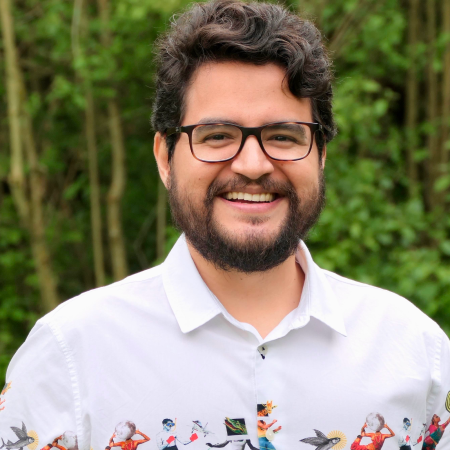
PhD. Christopher Delgado
Peru
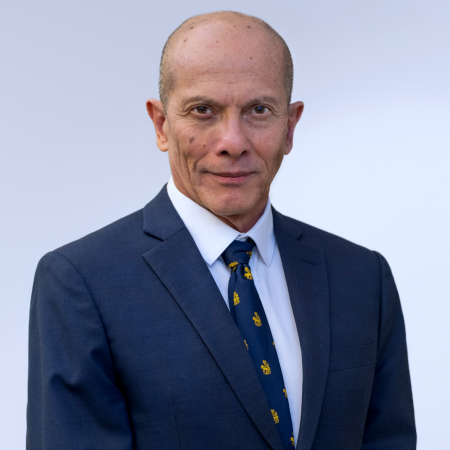
MSc. Jaime Chang
Peru
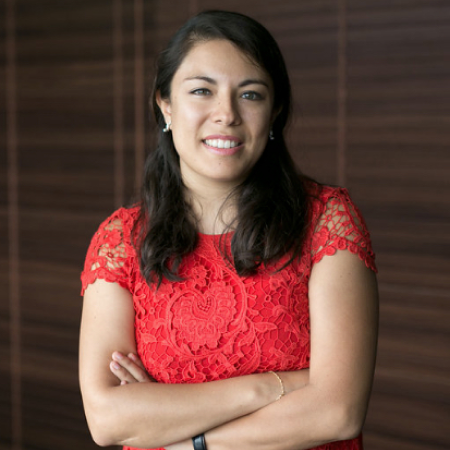
PhD. Elisa Vidal
Peru
PhD. Hugo Valdivia
Dr. Hugo Valdivia holds a degree in biology from the Universidad Nacional de San Antonio Abad del Cusco (UNSAAC) and a PhD in bioinformatics from Universidade Federal de Minas Gerais (UFMG).
He is the Head of the Epidemiology Unit at the Parasitology Department of the U.S. Naval Medical Research Unit SOUTH (NAMRU SOUTH) in Lima, Peru. He is actively involved in basic and applied research in tropical infectious diseases with a focus on malaria, leishmaniasis, Chagas disease and dengue.
His work, conducted in collaboration with key partners across the region, aims to understand disease transmission dynamics, identify risk factors for both military and civilian populations and support product development to mitigate their impact in these populations.
MSc. Jaime Chang
Dr. O. Jaime Chang N. is a physician, M.Sc. in Community Health, MPH, and Specialist in Human Ecology, with a 40+ year career that started in primary healthcare and tropical medicine research and evolved to a leadership role in international public health. He is currently part of the Global Security and Health Diplomacy Unit at Universidad Peruana Cayetano Heredia.
During 27 years in USAID, he managed technical cooperation programs addressing infectious diseases, community health and health system strengthening in Peru and Latin America, including the provision of technical cooperation in malaria control to 11 countries through the Amazon Malaria Initiative, and USAID’s support to the response to Zika and to COVID-19 in South American countries. Before, Dr. Chang worked as a researcher for Peru’s National Institute of Health and as the director of the health center in the Palcazu valley in the central jungle region of Peru.
PhD. Christopher Delgado Ratto
Prof. Dr. Christopher Delgado Ratto is a molecular epidemiologist and Assistant Professor at the University of Antwerp, specializing in Plasmodium vivax transmission, surveillance, and molecular epidemiology. Trained as a biologist in Peru, he completed postgraduate studies in Molecular Biology and Epidemiology and earned a PhD in Medical Sciences in Belgium. His work integrates epidemiology, population genetics, phylogenetics, and mixed research methods to understand P. vivax reservoirs and inform elimination strategies in low-endemic settings.
His P. vivax research in the Amazon Basin focuses on submicroscopic and asymptomatic infections, the origin of recurrent infections, genetic signatures of drug resistance, and human mobility as drivers of persistent transmission. His projects strengthen molecular diagnostic capacity and genomic surveillance in collaboration with national malaria programs and academic partners.
Christopher co-coordinates the Malaria Research group (MaRch, uantwerpen.be/malaria) at UAntwerp, is a guest professor at the Free University of Brussels, an adjunct principal researcher at Universidad Peruana Cayetano Heredia, and co-founder of the GENMAL network in Peru (genmal.org).
PhD. Elisa Vidal
Elisa M. Vidal Cárdenas is a global health expert specializing in malaria. She holds a B.S. in Biology from Universidad Peruana Cayetano Heredia (UPCH), an MHS in Molecular Microbiology & Immunology, and a PhD in International Health from the Johns Hopkins Bloomberg School of Public Health. She currently serves as Senior Regional Representative for Latin America at Medicines for Malaria Venture (MMV).
With more than 15 years of experience in malaria research, epidemiology, and health policy, Dr. Vidal Cárdenas is a recognized leader in generating and translating evidence for impactful malaria control. She guides cost-effectiveness and budget impact analyses for policy and supports the design and implementation of scalable malaria strategies. As Country Lead for the PAVE-Peru project, she co-led the real-world feasibility study that produced key evidence for introducing tafenoquine and G6PD testing for P. vivax malaria. This work supported Peru’s adoption of both tools into national guidelines and its designation as the first country to include tafenoquine in its Essential Medicines List (EML).
She has extensive experience collaborating with WHO, PAHO, Unitaid, the Global Fund, IDB, and Ministries of Health, and serves as Coordinator for Implementation Science & Clinical Application in the Clinical Research Master’s Program at UPCH.
PhD. Katherine Torres
Biologist with Master’s and a Ph.D. in Sciences with a specialization in Biochemistry and Molecular Biology from Universidad Peruana Cayetano Heredia (UPCH), followed by a Postdoctoral Fellowship at the University of Massachusetts. Currently an Associate Professor at the Faculty of Sciences and Engineering at UPCH.
Research experience encompasses immunology and the molecular and cellular biology of Leishmania and Plasmodium. Training includes Plasmodium genetics at the CDC (USA), basic immunology at University of California San Diego (UCSD), and malaria immunology at the University of Massachusetts. This work integrates parasite biology, host immune responses, and molecular methodologies to advance the understanding of infectious diseases and inform control and elimination strategies.
PhD. Joseph M. Vinetz
Dr. Vinetz is Professor of Medicine at Yale School of Medicine, Research Professor in the Faculty of Sciences at UPCH, and Associated Investigator of the Alexander von Humboldt Institute of Tropical Medicine. He received his B.S. from Yale and his M.D. from the UCSD. He completed a residency in internal medicine and a fellowship in infectious diseases at Johns Hopkins School of Medicine, during which time he was a Howard Hughes Medical Institute Physician Postdoctoral Fellow at NIH. He is an elected member of the American Society for Clinical Investigation and the Association of American Physicians. His research in global health and infectious diseases takes both basic science and public health perspectives focused on malaria and leptospirosis, while simultaneously pursuing translational research from the bench to the bedside. His research has been continuously funded by the NIH since 2001.
PhD. Dionicia Gamboa
Dionicia B. Gamboa Vilela is a biologist with a Master in Biochemistry, both degrees from Universidad Peruana Cayetano Heredia (UPCH). She got a PhD in Biomedical sciences at University of Maastricht, The Netherlands within a program supported by the Belgian cooperation from the Institute of Tropical Medicine in Antwerp, Belgium. Currently, she is Full Professor at the Department of Cellular and Molecular Sciences, Faculty of Science and Engineering (FACI) at UPCH and director of the Laboratory Malaria: parasites and vectors at the Laboratorios de Investigación y Desarrollo (LID – FACI – UPCH).
She carries out research projects in the area of health and tropical infectious diseases, specifically malaria in the Peruvian Amazon region. Her projects include the development and use of specialized molecular tools for diagnosis, genetic characterization, and surveillance of the parasites and vectors. She has more than 100 publications and more than 45 students (under and postgraduate). Since 2008 she is member of the American Society of Tropical Medicine and Hygiene (ASTMH), she is also member and part of the board directory of the Peruvian National Academy of Science (ANC).
PhD. Fabián Sáenz
Dr. Sáenz has 23 years of malaria research experience. He completed his Ph.D studies at University of Notre Dame, IN, USA in John Adams lab working on Plasmodium invasion of red blood cells and mosquito salivary glands. He worked as a postdoctoral trainee in the laboratory of Dr. Dennis Kyle at University of South Florida focusing in antimalarial drugs discovery and the understanding of drug resistance.
Dr. Sáenz is a Professor at the Center for Infectious Disease research (now Center for Research on Health in Latin America, CISeAL), Biology department at Pontificia Universidad Católica del Ecuador. The main goal of Dr. Sáenz group’s research focuses in understanding the malaria situation in Ecuador to help in elimination policies. In particular, his group focuses on molecular epidemiology of Plasmodium in Ecuador. Some of the study topics of his research are: Plasmodium populations circulating in the country, antimalarial drug resistance in Ecuadorian parasites and the epidemiology of malaria in low transmission areas of Ecuador. Our Plasmodium population studies results show that Ecuadorian P. falciparum are highly clonal while P. vivax are diverse. The Sáenz lab has characterized several malaria outbreaks in the north coast and Amazon of Ecuador as well as the genetic background of the parasites circulating.
PhD. Alejandro Llanos-Cuentas
Alejandro Llanos-Cuentas is a clinical scientist in tropical and infectious diseases, Founder and Professor Emeritus at the School of Public Health and Administration and head of the Leishmaniasis and Malaria Unit at the Institute of Tropical Medicine Alexander von Humboldt at Universidad Peruana Cayetano Heredia.
His research focuses on vector-borne diseases in Peru, particularly malaria and leishmaniasis, integrating clinical, epidemiological, and operational approaches to improve diagnosis, treatment, and control strategies. He has led more than 65 research projects, including over 30 phase I–IV clinical trials to provide novel alternatives to treatment of diseases, such as leishmaniasis, candidasis, and especially malaria, with a strong emphasis on its control and elimination.
He has contributed to key studies evaluating tafenoquine and primaquine for Plasmodium vivax relapse prevention, including the PAVE study (2024), which assessed the operational feasibility of G6PD-guided treatment in the Peruvian Amazon. He currently collaborates with UCSF on a clinical trial of focal mass drug administration aimed at P. vivax elimination.
Dr. Llanos-Cuentas has published over 250 peer-reviewed articles and book chapters, supervised more than 96 research students, and serves on multiple national and international scientific committees. He is a member of the National Academy of Medicine of Peru and expert committees of WHO, PAHO and Trask force for dengue control – American Health Foundation.
Stella Maris Chenet Carrasco
Universidad Nacional Toribio Rodríguez de Mendoza – Perú
Dr. Stella Maris Chenet Carrasco is a microbiologist and infectious disease researcher with extensive international training and leadership in tropical disease research. She currently serves as the Director of the Institute of Tropical Diseases (Instituto de Enfermedades Tropicales) at the Universidad Nacional Toribio Rodríguez de Mendoza de Amazonas (UNTRM) in Peru, where she also leads the Genomics and Molecular Epidemiology Unit Dr. Chenet earned her Bachelor’s degree in Biology from the Universidad Nacional Agraria La Molina in Peru, followed by a Master’s degree and Ph.D. in Microbiology from Arizona State University in the United States. She completed postdoctoral research at the Centers for Disease Control and Prevention (CDC) in Atlanta and at the Harvard T.H. Chan School of Public Health, where her work focused on surveillance of drug-resistant parasites and therapeutic efficacy studies.
Dr. Chenet’s research focuses on developing diagnostic assays and implementing surveillance platforms for infectious and neglected diseases, particularly those affecting indigenous and underserved communities in the Amazon region. She leads key projects including genomic surveillance of malaria and other vector-borne infections, and contributes to strengthening public health capacity through collaborative research and training.
Hugo Rodríguez Ferrucci
Universidad Nacional de la Amazonía Peruana & GERESA-Loreto – Perú
Médico con maestría en Salud Pública y Especialización en Epidemiología de Campo, con experiencia en análisis de situación salud y epidemiología de zonas de frontera y de comunidades de la Amazonía. Fue coordinador Nacional del Proyecto de Malaria en zonas de Frontera del Organismo Andino de Salud. Dirigió el Centro de salud I-4 de la Provincia del Datem del Marañón, La red de Salud y el Hospital de Yurimaguas y en la DIRESA Loreto ocupó la Dirección de Epidemiología, Subdirección y la Dirección Regional de Salud. Fue coordinador Nacional de Salud de Pueblos Indígenas.
Docente de la Universidad Nacional de la Amazonia Peruana. Auditor médico. Pertenece al Cuerpo de Gerentes Públicos CGP 454 Servir. Fue galardonado por la FIGO por servicios distinguidos a la comunidad para la atención obstétrica de emergencia y recibió el Reconocimiento Público del Ministerio de Justicia y Derechos Humanos, en mérito a su importante Trayectoria Profesional y Destacada labor en Promoción y Vigencia del Derecho a la Salud. Actualmente es parte del Equipo Técnico del Centro de Prevención y Control de la GERESA Loreto y es Profesor Asociado en la Facultad de Medicina de la UNAP en Loreto.